

Peptide Blends
7 Compounds
Peptide Blends
Refine by


Understanding peptide blends
A blend combines materials in one supplied formulation. A research bundle or combo pack can instead contain separate products, so review the package description when comparing listings.
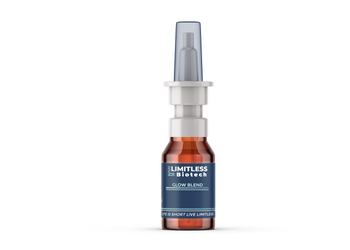
GLOW Blend combines GHK-Cu, BPC-157, Thymosin Beta-4 Fragment 1-4, and Thymosin Beta-4 Fragment 17-23. Review its individual product specifications for the listed formulation and material grade.
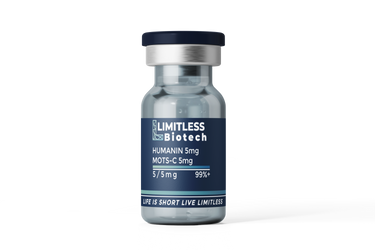
Other established formulations include CJC-1295 (no DAC) + Ipamorelin and MOTS-C/Humanin. Their named components distinguish them from standalone compounds and from packages of separate materials.
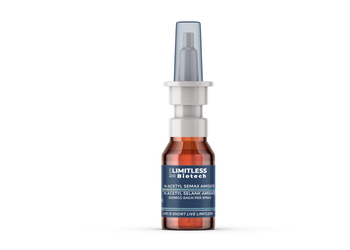
Spray-format options include the BPC-157 Acetate + TB-500 Fragment 17-23 blend spray. Review its package-specific information separately from the vial-based formulations.
A predefined composition does not establish synergy or eliminate experimental variability. Compare exact component identities, labeled quantities, material grades, and the analytical results available for the selected formulation.
Documentation
Match the Certificate of Analysis (COA) to the named formulation, component materials, grade, and batch. A report for one blend does not establish the composition or testing results of another.
Purity, identity, and component quantity are separate analytical questions. Review the methods and results actually reported, including component quantities when quantitative testing has been performed. A COA does not necessarily provide an individual purity percentage for every component.
Premium Lyophilized material includes independent purity and quantitative testing, plus sterility and endotoxin testing. Review the applicable documentation for the testing performed on other grades and formats.
Explore our research peptides for broader compound navigation, or review the individual blend specifications to compare formulations.
Frequently asked questions
What is a peptide blend?
A peptide blend combines more than one named peptide material in a supplied research formulation. Its specifications identify the components and labeled quantities. A blend name alone does not establish a universal composition or biological effect.
How does a blend differ from a research bundle or combo pack?
A blend contains combined materials in one formulation. A research bundle or combo pack may contain separate products packaged together. Review the listing's composition and package description to distinguish them.
Which component details should researchers compare?
Compare the exact compound and fragment names, labeled component amounts, material grade, supplied format, and applicable COA. Distinguish listed formulation quantities from quantities independently measured in the tested sample.
What analytical documentation applies to a specific blend?
Use the report that corresponds to the formulation, material grade, and batch. Review its analytical methods and results for identity, purity, and component quantities where measured. Testing scope should be established from the applicable documentation rather than inferred from the blend name.